
Jan Vikas Trust and Its Work in Education in Rural Jharkhand

Jan Vikas Trust (JVT) is a grassroots non-governmental organization established in 2006 in Ranchi district of Jharkhand. It works mainly in rural and tribal areas such as Gumla and nearby villages, focusing on improving the lives of underprivileged communities. The organization is dedicated to promoting sustainable development through education, health care, and social empowerment.
Jharkhand is a state with a large tribal population where many people live in remote villages with limited access to education. Poverty, lack of awareness, and poor infrastructure often prevent children from going to school. In such areas, Jan Vikas Trust plays an important role in promoting education and improving learning opportunities for rural people.
Vision and Mission of Jan Vikas Trust
The vision of Jan Vikas Trust is to build a society based on social equality, economic development, environmental protection, and good governance
Its mission is to empower poor and marginalized communities, especially in rural areas, so that they can become self-reliant and live with dignity. The organization focuses on improving access to education, health, and livelihood opportunities through community participation and innovative programs.
Education is one of the most important tools used by the trust to achieve its goals.
Impact on Rural Communities
The work of Jan Vikas Trust has brought positive changes in rural areas, such as:
- Increased school enrollment among children
- Improved awareness about education
- Better participation of girls in schooling
- Empowerment of women and marginalized groups
- Development of skills among youth
Through its efforts, the trust is helping to create a more educated and aware society in Jharkhand.
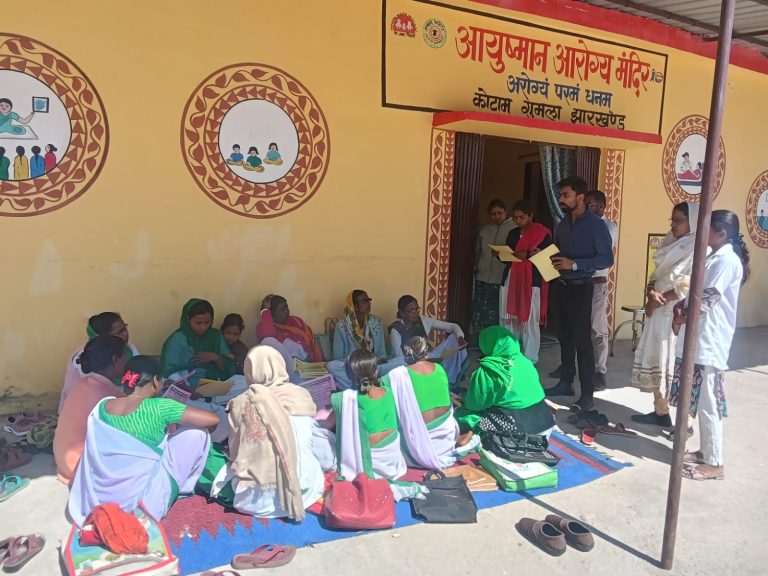
Jan Vikas Trust plays a significant role in improving the education system in rural areas of Jharkhand, especially in Gumla and Ranchi districts. Its focus on education, awareness, women empowerment, and skill development helps uplift marginalized communities and provides them with better opportunities for the future.
By promoting education among rural people, the trust is not only improving literacy but also contributing to the overall development of society. Its work shows that education is a powerful tool for social change and sustainable development.